Indian Council For Child Welfare
Our Legacy
Seven Decades of Vision, Service, and Nation Building
The Beginning of a Movement
In 1948, the Indian National Committee of the United Nations Appeal for Children was established—marking the first organised national effort towards child welfare in India.
By 1950, it emerged as an independent body, reflecting a growing national commitment to children.
The Spirit of the Founders
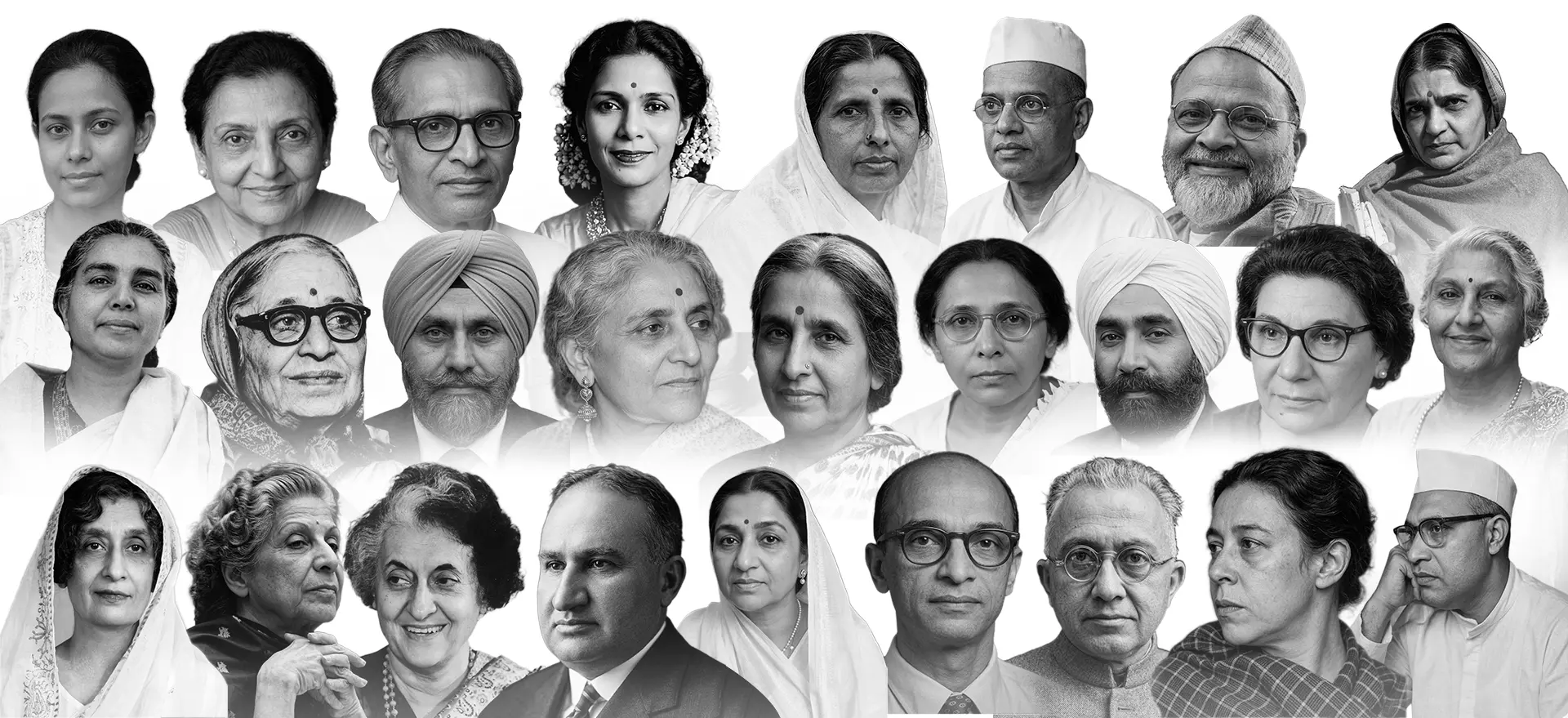
ICCW drew its strength from the extraordinary Founders who included freedom fighters, social reformers, and pioneering women leaders.
They believed that:
- Every child, regardless of circumstance, deserved care, protection, and opportunity
- A vast and diverse nation like India needed locally responsive yet nationally guided child welfare systems
- The future of India would be shaped by how it nurtured its children
Their vision transformed concern into a structured national movement for child welfare.
A Moment of Commitment
On 30th May 1952, the founding members formally signed the Constitution of ICCW
a defining moment that transformed vision into an enduring institution.
A Historic Coming Together
In a landmark step, the Save the Children’s Fund Committee of the All India Women’s Conference merged with the Indian National Committee to create a unified national platform— the Indian Council for Child Welfare (ICCW).
This was not merely an institutional merger. It was a visionary act of nation building—placing the welfare of children at the heart of a newly independent India.
The Birth of a National Institution
The Birth of a National Institution
With a newly framed Constitution, ICCW was formally registered on 5th June 1952 under the Societies Registration Act, 1860.
It became independent India’s first national, secular organisation dedicated exclusively to the welfare of children.
Visionary Founders
The distinguished signatories of the ICCW Constitution were not just Founders
they were Nation Builders who placed children at the centre of India’s future.